Artificial intelligence is becoming an increasingly influential force in Sierra Leone’s music industry, opening new possibilities for music production while also fueling concerns about creativity, copyright, and artistic identity.
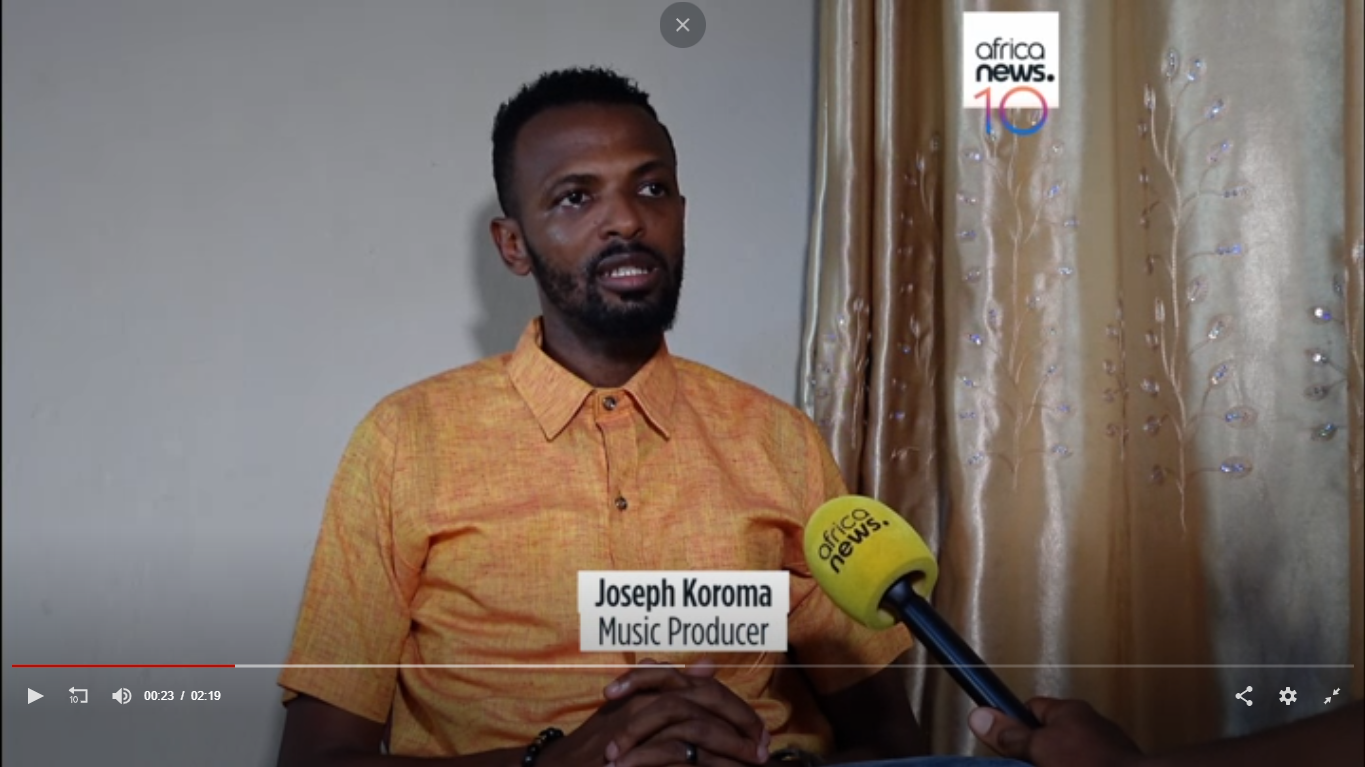
For renowned Sierra Leonean producer Joseph Koroma, professionally known as Nashito Kulala, AI should be viewed as a powerful production assistant rather than a replacement for musicians. Drawing on more than 20 years of experience in the industry, he believes the technology can streamline workflows, generate fresh ideas, and improve efficiency. However, he insists that the human artist must remain the driving force behind every creative project.
Not everyone in the industry shares this optimistic outlook.
Singer-songwriter Tracy Jac-During warns that AI-generated vocals could threaten the authenticity that defines an artist’s career. According to her, a singer’s voice is much more than a technical element—it reflects personal experiences, cultural identity, and emotional expression that cannot simply be replicated by algorithms.
As AI-generated music continues to improve, legal and ethical questions are becoming harder to ignore. Industry experts are debating who should own songs or performances created with artificial intelligence and whether artists deserve compensation when AI systems imitate or recreate their voices.
Many musicians across Sierra Leone are not necessarily opposed to AI itself. Instead, they are calling for stronger protections for intellectual property and clearer regulations to ensure creators receive proper recognition and fair financial compensation when their work or likeness is used.
Technology specialist Theodore Rogers believes artificial intelligence can become a valuable ally for musicians who adopt it responsibly. In his view, artists can use AI to expand their reach, engage wider audiences, and develop new creative opportunities without sacrificing authenticity.
Public opinion, however, remains divided. Radio presenter Saraphina Hannah Turay argues that music’s greatest strength lies in genuine human emotion. While AI may assist with production and experimentation, she believes the emotional connection between artists and listeners is something technology cannot fully reproduce.
As artificial intelligence continues to evolve, Sierra Leone’s music industry finds itself balancing innovation with the need to protect creativity, originality, and the rights of the artists who give African music its unique voice.
Source: Africa News