
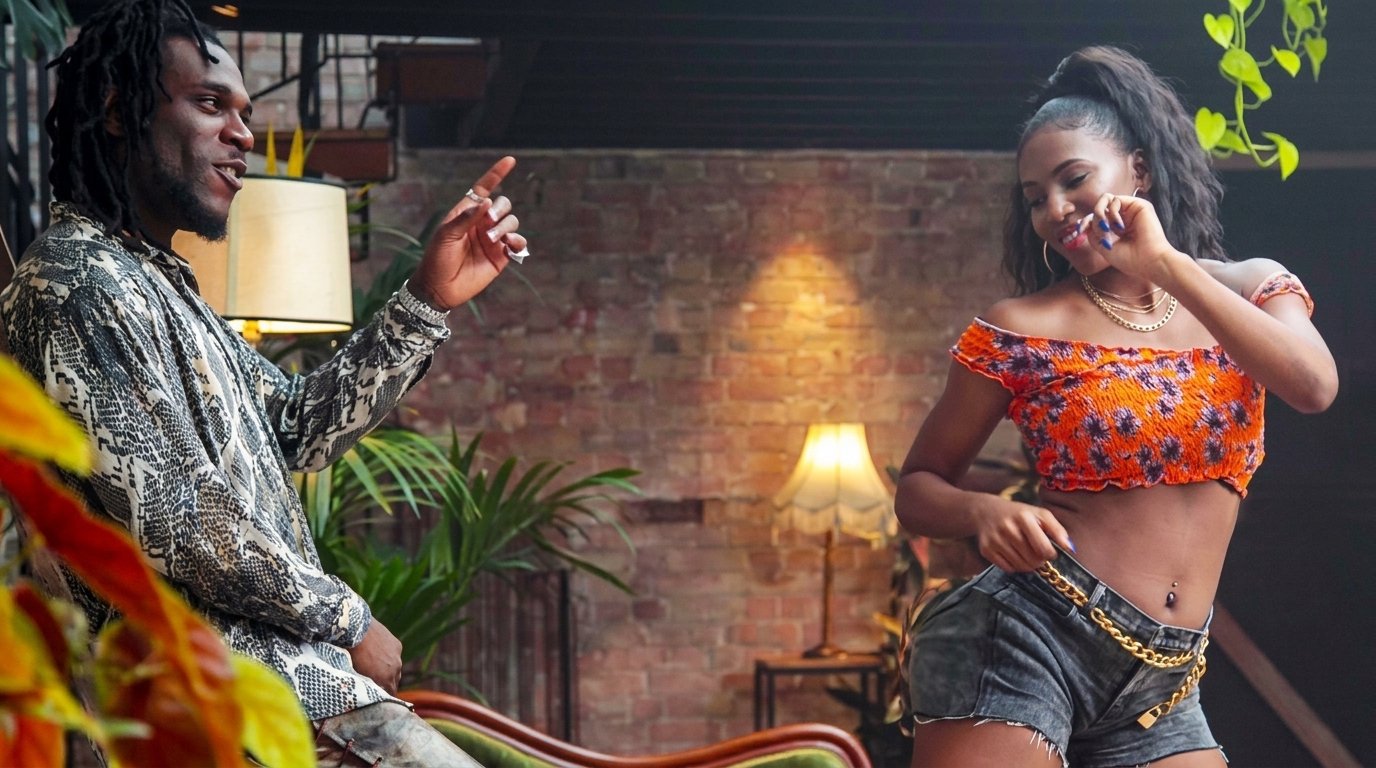
African music videos have become much more than a visual accompaniment to a song. They now serve as powerful vehicles for storytelling, fashion, and cultural expression, helping introduce global audiences to the creativity and diversity of the African continent. From vibrant Afrobeats visuals to stylish Amapiano dance videos, African music videos are playing an increasingly important role in shaping global pop culture.
This article looks at how African music videos have evolved, what makes them distinctive, and why they continue to capture international attention.
The Growing Importance of African Music Videos
As African music genres like Afrobeats and Amapiano have gained international popularity, the visual component of these songs has become just as important as the music itself. African music videos often incorporate vibrant colors, distinctive fashion choices, and choreography that reflects local dance styles, helping to create a fuller sensory experience for listeners around the world.
For many international audiences, African music videos also serve as an introduction to African culture more broadly, offering glimpses into fashion trends, urban landscapes, and everyday life across different African countries.
Common Visual Elements in African Music Videos
- Bold, colorful fashion inspired by both traditional and contemporary African style
- Choreographed dance sequences that often go on to inspire viral trends
- Urban and cultural settings that reflect specific cities or regions
- Cinematic storytelling that ties visuals closely to song themes
- High production values that rival major international music video budgets
How African Music Videos Have Evolved
Early African music videos were often produced with limited budgets and simple production techniques. Over time, as the genres gained international attention and investment, production quality improved significantly. Directors and creative teams began incorporating more advanced cinematography, styling, and concept-driven storytelling, helping African music videos compete on a global visual standard.
This evolution has also been supported by the growth of platforms like YouTube, which have given African artists a direct channel to release high-quality visual content to a global audience without relying on traditional television broadcast deals.
The Role of Dance and Choreography
Dance has always played a central role in African music culture, and this is reflected strongly in African music videos. Many Afrobeats and Amapiano videos feature distinctive choreography that often becomes a cultural phenomenon in its own right, with fans around the world learning and recreating dance routines through social media.
This connection between music videos and dance trends has helped extend the reach of African music beyond passive listening, encouraging active participation and engagement from international audiences.
Fashion’s Role in African Music Videos
Fashion is another key element that distinguishes many African music videos. Artists often use their visuals to showcase both traditional African textiles and patterns alongside contemporary streetwear and high fashion influences. This blending of styles has helped African music videos become an influential reference point for global fashion trends, with designers and stylists increasingly drawing inspiration from African visual culture.
African Music Videos and Cultural Representation
Beyond entertainment, African music videos also play an important role in cultural representation. They offer African artists an opportunity to tell their own stories, showcase their communities, and challenge stereotypes often present in international media. This has helped foster a more nuanced and authentic global understanding of African life and creativity.
The Future of African Music Videos
As production budgets continue to grow and African artists gain access to international collaborations, African music videos are likely to become even more ambitious in scope and storytelling. Continued investment from streaming platforms and increased international interest in African visual culture suggest that music videos will remain a central part of how African music connects with global audiences.
Frequently Asked Questions About African Music Videos
Why are African music videos so visually distinctive?
African music videos often combine vibrant fashion, choreography, and cultural storytelling, creating a visual style that reflects both traditional and contemporary African culture.
What role does dance play in African music videos?
Dance is central to many African music videos, with choreography often inspiring viral trends and encouraging audience participation beyond passive listening.
How have African music videos influenced global fashion?
Many African music videos showcase a blend of traditional textiles and modern streetwear, influencing global fashion trends and inspiring designers around the world.
Which platforms are most important for African music videos?
YouTube remains one of the most important platforms for African music videos, providing artists with a direct channel to reach global audiences.
Do African music videos only feature Afrobeats and Amapiano artists?
While Afrobeats and Amapiano artists are prominent, African music videos span many genres and countries, reflecting the diversity of musical styles across the continent.
How has production quality changed in African music videos over time?
Production quality has improved significantly as African music genres have gained international attention, with many videos now featuring cinematic storytelling and high production values.
African music videos have evolved into a powerful form of cultural storytelling, combining music, fashion, and dance to create a distinctive visual identity that resonates with global audiences. As African artists continue to invest in ambitious visual concepts, African music videos are set to remain an influential force in shaping global pop culture.