
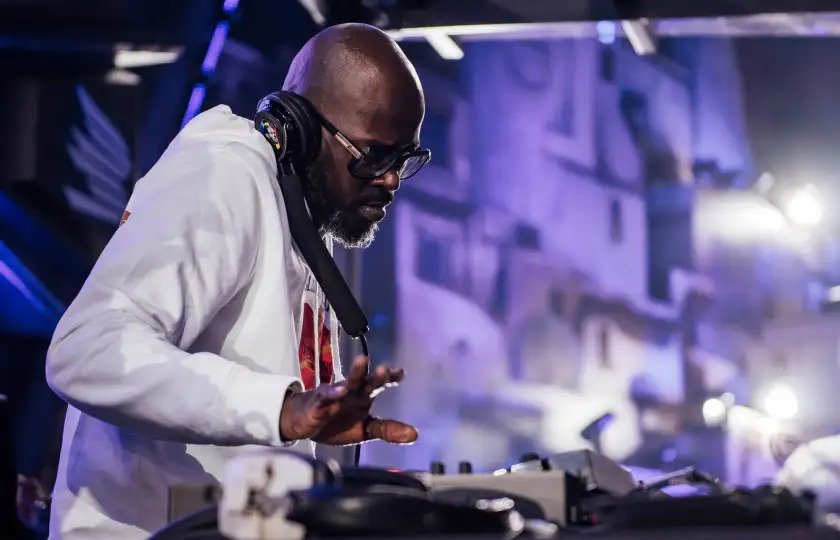
African DJ Culture: From Township Turntables to the Global Stage
African DJ culture has evolved from informal neighborhood gatherings into a defining force in the continent’s music economy, shaping how new genres are discovered, promoted and shared with international audiences. Long before streaming platforms existed, DJs across cities like Johannesburg, Lagos and Nairobi served as tastemakers, curating sounds for local dancefloors and often introducing audiences to emerging genres well before those styles reached radio or television. Tracing the development of African DJ culture reveals how central this role has been to the continent’s broader musical identity.
The Roots of African DJ Culture
DJ culture across Africa grew out of a combination of local sound-system traditions, radio broadcasting, and the informal party economy that flourished in urban neighborhoods and townships. Long before elaborate club infrastructure existed in many cities, mobile DJ setups brought music directly to community gatherings, weddings and street parties, creating a decentralized but highly influential network of tastemakers.
Sound Systems and Township Parties
In South Africa, township parties and shebeens became important spaces where DJs experimented with rhythm, sequencing and crowd energy long before formal club venues were widely accessible to all communities. These informal spaces functioned as testing grounds for new sounds, allowing DJs to gauge audience reaction in real time and refine their approach accordingly.
Radio DJs as Cultural Gatekeepers
Across many African countries, radio DJs held significant cultural influence, often serving as the primary gatekeepers determining which songs reached mass audiences. Their decisions about what to play shaped which artists gained visibility, making radio DJ culture an important companion to the club and party scene that developed alongside it.
The DJ’s Role in Genre Development
African DJs have historically played an outsized role in shaping how new genres develop and spread, often blending styles in ways that eventually solidify into recognized musical categories. By mixing local rhythms with international dance and electronic influences, DJs created hybrid sounds on dancefloors that sometimes evolved into fully formed genres once producers began formalizing the techniques.
- DJs often served as the first public testing ground for unreleased or experimental tracks
- Crowd response at parties directly influenced which sounds producers pursued further
- Regional DJ scenes developed distinct stylistic preferences based on local dance culture
- DJ mixtapes and compilations historically served as informal distribution channels before digital platforms existed
- Live DJ sets remain a key venue for testing new productions before formal release
Technology’s Impact on African DJ Culture
The shift from vinyl and cassette-based DJing to digital equipment transformed how African DJs operate, expanding access to a wider range of tools while also changing the economics of the profession. Digital mixing software and portable controllers lowered the barrier to entry, allowing a new generation of DJs to build audiences without the same equipment costs faced by earlier generations.
From Vinyl to Digital Decks
Older generations of African DJs built their reputations around vinyl selection and turntable technique, requiring significant investment in physical record collections. As digital formats became standard, DJs gained access to larger and more varied music libraries, though many veteran DJs argue that certain turntable techniques and crowd-reading instincts developed during the vinyl era remain irreplaceable.
Comparing DJ Culture Across Eras
| Era | Primary Equipment | Distribution Method |
| Early township and street parties | Vinyl turntables, sound systems | Live performance only |
| Cassette and mixtape era | Turntables and tape decks | Physical mixtapes sold informally |
| Digital era | Controllers, laptops, digital mixers | Streaming, social media, live sets |
Practical Tips for Aspiring African DJs
- Study the regional dance styles associated with your local scene before developing a personal style
- Build relationships with local producers to gain early access to new tracks worth testing on a dancefloor
- Invest time in learning both digital tools and foundational turntable technique
- Document live sets, since recorded mixes remain a valuable promotional tool
- Engage directly with dancers and crowds, since real-time feedback remains one of the most valuable tools for refining a set
Conclusion
African DJ culture has always been about far more than simply playing music – it has served as a testing ground for new sounds, a gatekeeping mechanism for emerging genres, and a direct link between musicians and the audiences who ultimately decide which songs succeed. From township sound systems to today’s digital decks, DJs remain central figures in shaping the continent’s musical direction.
As technology continues to lower barriers to entry, the fundamentals that made African DJ culture influential in the first place – a deep understanding of local rhythm, crowd energy and cultural context – remain as important as ever. The tools may keep changing, but the DJ’s role as tastemaker and connector shows no sign of fading.
FAQ
What defines African DJ culture?
African DJ culture refers to the tradition of DJs curating, mixing and popularizing music at parties, radio stations and clubs across the continent, often shaping which genres and artists gain wider recognition.
How did township parties influence African DJ culture?
Township parties and informal gatherings served as early testing grounds where DJs experimented with rhythm and sequencing, helping shape local musical tastes before formal club venues became widely available.
What role do radio DJs play in African music?
Radio DJs have historically acted as cultural gatekeepers, deciding which songs reach mass audiences and significantly influencing an artist’s visibility.
How has digital technology changed African DJ culture?
Digital mixing tools and controllers have lowered the cost and technical barriers to becoming a DJ, allowing a new generation of DJs to build audiences without the equipment investment required in earlier eras.
Why are DJs important to genre development in Africa?
DJs often test new and experimental sounds directly on dancefloors, and crowd response to these live sets frequently influences which styles producers continue developing into recognized genres.