
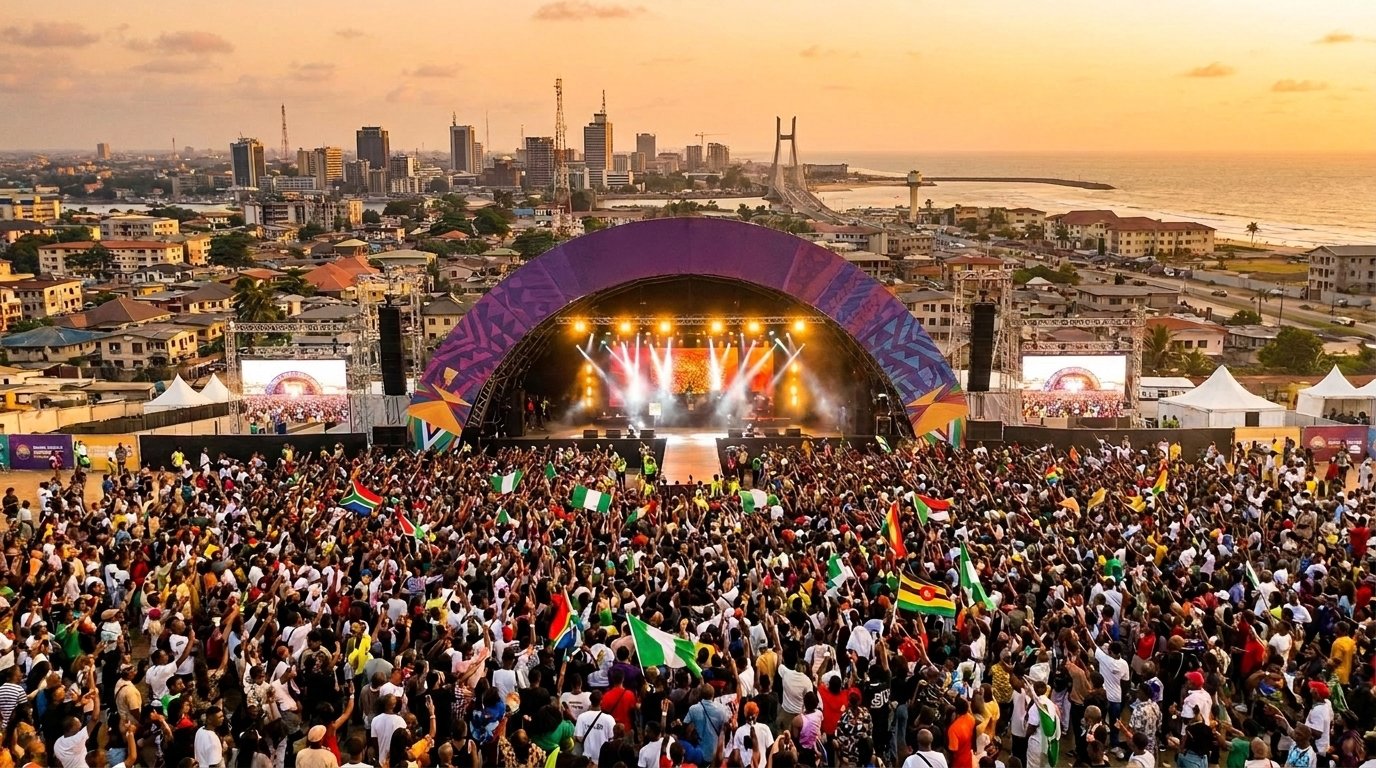
African music festivals have grown into major cultural events, drawing both local communities and international visitors to cities across the continent. From Lagos to Johannesburg, Accra to Nairobi, these festivals celebrate the diversity and creativity of African music while also serving as important platforms for the continent’s growing live music industry. As global interest in genres like Afrobeats and Amapiano continues to rise, African music festivals are increasingly recognized as key cultural and economic events.
This article explores the rise of African music festivals, what makes them unique, and why they are becoming an important part of the global live music landscape.
Why African Music Festivals Are Growing in Popularity
The growth of African music festivals reflects several broader trends, including the rising global popularity of African genres, increased investment in live event infrastructure, and a growing desire among fans to experience African music culture firsthand. As Afrobeats, Amapiano, and other genres have gained international audiences, festivals have become an important space for artists to connect directly with fans, both local and international.
Key Factors Driving Festival Growth
- The global rise of Afrobeats, Amapiano, and other African genres
- Growing interest from international tourists in experiencing African culture firsthand
- Increased investment from sponsors, brands, and local governments in live events
- The desire among African artists to perform for large, engaged live audiences
- Social media amplifying festival experiences to global audiences
Notable Hubs for African Music Festivals
Several cities across Africa have become notable hubs for major music festivals, each offering a distinct cultural and musical experience.
Lagos, Nigeria
Lagos has long been a cultural and musical capital in West Africa, serving as a hub for Afrobeats and hosting numerous concerts and festival-style events that draw both local fans and the international diaspora. As one of the birthplaces of Afrobeats, Lagos continues to be a central location for major live music gatherings.
Johannesburg, South Africa
Johannesburg has become an important center for South African music culture, including the Amapiano scene. The city’s live music events often reflect the energy of its townships, where genres like Amapiano first developed, while also showcasing a broader range of South African musical styles.
Accra, Ghana
Accra has also emerged as a significant location for African music events, closely tied to Ghana’s contributions to Afrobeats and highlife music. The city has increasingly positioned itself as a cultural destination for music tourism, attracting visitors from across the diaspora and beyond.
The Cultural Significance of African Music Festivals
Beyond entertainment, African music festivals play an important role in celebrating and preserving African musical traditions while also showcasing contemporary genres. These events often blend traditional performances with modern artists, creating a space where different generations and musical styles can coexist and influence one another.
Festivals also provide an opportunity for cultural exchange, allowing international visitors to engage directly with African music, fashion, food, and traditions in an immersive setting.
The Economic Impact of African Music Festivals
As African music festivals grow in scale and international recognition, they also contribute meaningfully to local economies. Increased tourism, hospitality demand, and event-related business activity all benefit from successful festivals, encouraging further investment in live music infrastructure across the continent.
- Increased tourism and hospitality revenue in host cities
- Growth opportunities for local vendors, artists, and creative industries
- Greater international visibility for African cities as cultural destinations
- Long-term investment incentives for live event infrastructure
Challenges Facing African Music Festivals
Despite their growth, African music festivals continue to face challenges, including logistical infrastructure limitations, the need for consistent international marketing, and balancing large-scale commercial growth with maintaining authentic cultural experiences. Addressing these challenges will be important for the continued sustainable growth of the festival scene across the continent.
The Future of African Music Festivals
As global interest in African music continues to grow, African music festivals are likely to expand further, with more cities across the continent developing their own signature events. Continued collaboration between artists, governments, and international partners will likely play a key role in shaping the next chapter of Africa’s live music scene.
Frequently Asked Questions About African Music Festivals
Why are African music festivals becoming more popular internationally?
The global rise of genres like Afrobeats and Amapiano, combined with growing interest in experiencing African culture firsthand, has contributed to increased international attention on African music festivals.
Which cities are known for major African music festivals?
Lagos, Johannesburg, and Accra are among the most notable hubs for African music festivals, though many other cities across the continent also host significant live music events.
Do African music festivals only feature Afrobeats and Amapiano artists?
No, many African music festivals feature a wide range of genres, including traditional music, highlife, gospel, hip hop, and other regional styles, reflecting the diversity of the continent’s music scene.
What economic benefits do African music festivals provide?
African music festivals can boost local economies through increased tourism, hospitality demand, and opportunities for local vendors and creative industries.
Are African music festivals open to international visitors?
Yes, many African music festivals welcome international visitors and are increasingly promoted as cultural tourism experiences.
What challenges do African music festivals face?
Common challenges include infrastructure limitations, the need for stronger international marketing, and balancing commercial growth with cultural authenticity.
African music festivals have become powerful platforms for celebrating the continent’s rich musical heritage while showcasing its dynamic contemporary genres. From Lagos to Johannesburg to Accra, these events continue to grow in scale and cultural significance, reflecting the broader global rise of African music. As interest continues to expand, African music festivals are likely to remain an important bridge between local culture and the global music community.